Founded 1985 · Not-for-Profit · Islamabad, Pakistan
Education Initiative · 2025–2030

Transforming Pakistan's
Public Education
from the Ground Up

PINA is evolving from a leading policy think tank into a full-spectrum Education Research and Implementation Institute — bridging the critical gap between policy and on-ground execution in Pakistan's public schools.
Public–Private Partnership Not-for-Profit IB Primary Years Programme Islamabad
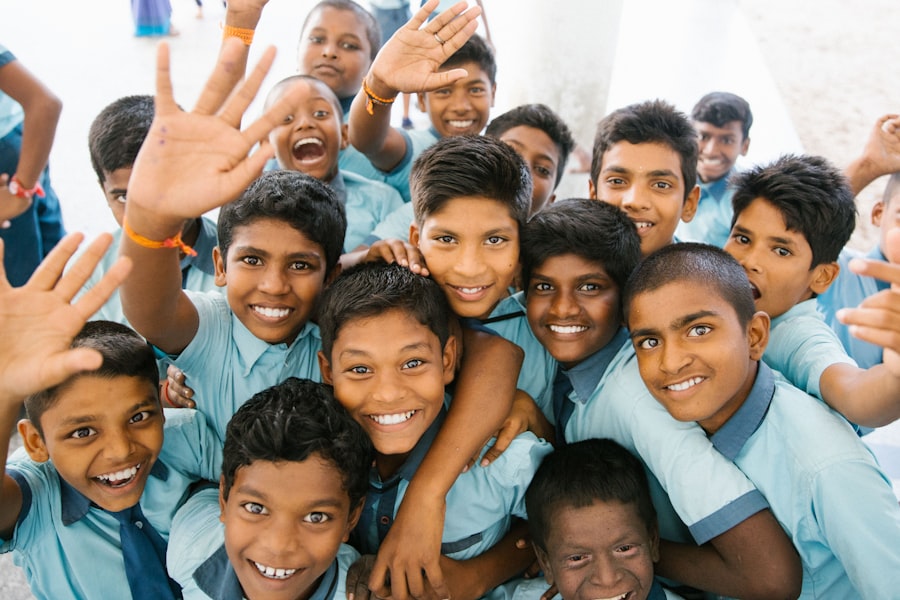
Pakistani children studying
School Transformation Programme · Lahore, Pakistan
1985Founded
26.2MOut-of-School Children
4–5Schools to be Adopted
3,000+Students to be Impacted
40 yrsNational Service
One Step Beyond — From Research to Reality

From thought leadership to on-ground implementation and evidence-based impact.

Pakistan's education crisis does not lack research. What it lacks is someone willing to cross the gap between policy recommendation and ground-level execution. PINA is now that organisation.

Our Approach →
PINAStrategic Priorities 2025–2030
Strategic Priorities

Our Education Priorities

Priority 01

Transforming Public Education Quality

26.2Mchildren out of school in Pakistan

PINA addresses the education crisis systemically — by adopting and transforming existing public schools, deploying world-class teaching practice, and rigorously measuring outcomes.

  • Administrative takeover of 2–3 large schools in Lahore by 2026–28
  • Baseline assessments of all students and teachers
  • Infrastructure upgrades and private-sector teacher recruitment
  • Scale to 4–5 school network by 2030
Read the Crisis Report
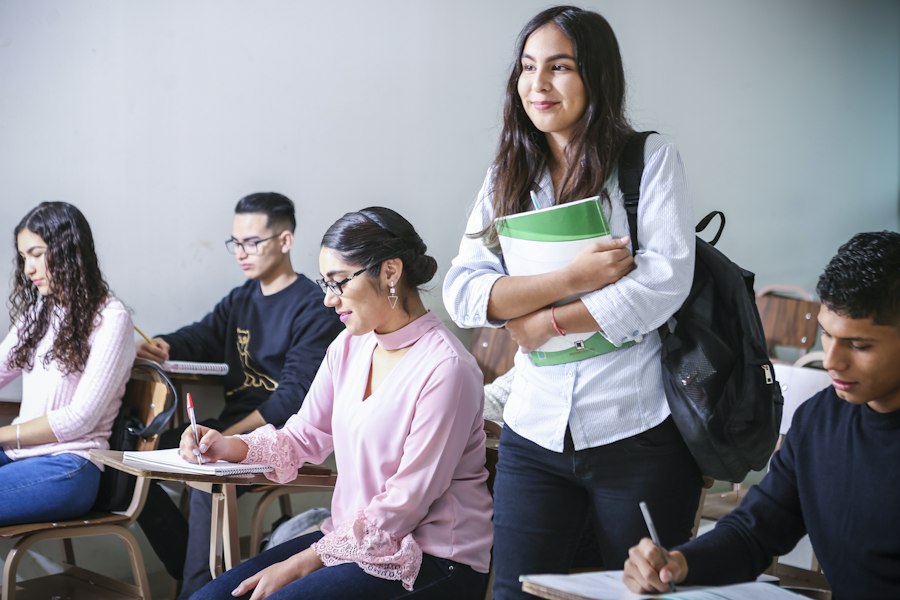
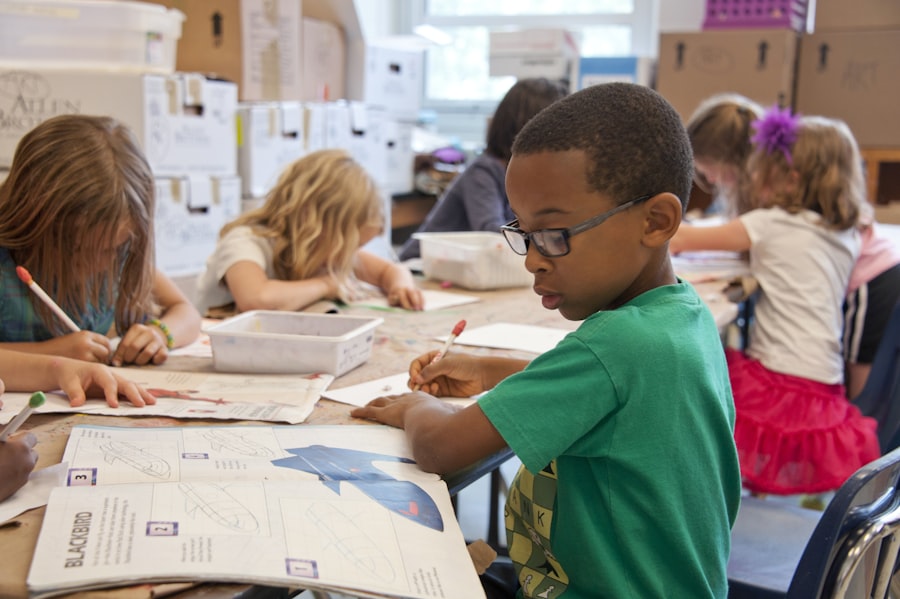
Students in classroom
Priority 02

Digital Literacy & EdTech Integration

100%schools to have Google Classroom LMS

Technology is embedded into all aspects of learning — providing access to digital resources, interactive simulations, and blended learning environments.

  • Google Classroom LMS across all adopted schools
  • Interactive whiteboards and blended learning stations
  • Digital skills training for all teachers and staff
View Programmes
Digital literacy
Priority 03

STEAM Innovation Labs

5STEAM labs planned across the network

Science, Technology, Engineering, Arts, and Mathematics education prepares students for rapidly evolving fields critical to Pakistan's economic development.

  • Dedicated STEAM labs in every adopted school
  • Modular robotics kits and project-based learning
  • AKU-IED collaboration for teacher training
View Programmes
Science lab
Priority 04

IB Primary Years Programme

Year 3full IB PYP implementation begins

A multi-year pathway to full IB PYP authorisation, aligning curricula and assessments with IB standards and training teachers in IB philosophy.

  • Years 1–3: preparation, curriculum alignment, teacher training
  • Years 3–5: full IB PYP implementation and authorisation
  • Cambridge and IB Organisation collaboration
View Programmes
IB Programme
Priority 05

Financial Sustainability Model

PKR 30Mannual revenue target from co-working space

PINA's model blends philanthropic funding with earned income from a premium co-working facility — creating a self-funding loop independent of donor cycles.

  • 25,000 sq ft co-working space at PINA HQ, Islamabad
  • Blended: government grants, donor capital, earned revenue
  • Target: 80% self-sustaining by Year 5
View Sustainability Model
Co-working space
PINAResearch & Publications
Publications

Research & Policy Work

New Publication

Political, Economic & Legal Effects of AI on Education

How emerging AI technologies reshape learning access and outcomes in developing economies.

Book

Introducing International Relations: Concepts, Theories & Practices

A foundational co-authored text for policy and academic audiences.

Research Report

Conflict in Pakistan: Security, Fragility and Education Access

Mapping the intersection of conflict and educational deprivation across Pakistan.

Policy Brief

State of Public Education: Punjab District-Level Analysis 2024

Comprehensive analysis of learning outcomes and school infrastructure across Punjab.

Working Paper

EdTech in Emerging Markets: Evidence from South Asian Classrooms

Empirical assessment of digital learning tools and measurable impact on outcomes.

PINAImplementation Model
How We Work

A Systematic Three-Phase Model

Grounded in TCF, BRAC, and Punjab PSSP evidence. Built for lasting, measurable change in every school we adopt.

Phase 01

Administrative Takeover & Assessment

Take over management of 2–3 large public schools in Lahore. Baseline assessments of all students and staff. Infrastructure improvements. Community engagement begins.

Phase 02

Accelerated Learning Programmes

Deploy English proficiency, digital literacy, and STEAM labs. Continuous-improvement regular classes. IB PYP curriculum preparation begins in Year 2.

Phase 03

IB Implementation & Scale

Full IB Primary Years Programme launch. Replicate the model to 4–5 schools. Co-working space revenue independently funds ongoing programme costs.

Get Involved

Join Us as a Partner or Volunteer

Be the change you wish to see — make an impact, one school at a time.

By signing up you agree to our terms and conditions.

Testimonials

Voices from Our Partners

Working with PINA has been a transformative experience. Their commitment to real, measurable impact — grounded in decades of institutional knowledge — made all the difference in how our students are learning.

Ahmad Hussain

Principal, Lahore Government School

PINA's evidence-based approach is exactly what Pakistan's public education sector needs. Their work bridges the gap between policy research and ground-level implementation in a way few organisations manage.

Dr. Sara Khalid

Education Policy Advisor, PSSP

As a development partner, we value PINA's transparent governance, rigorous monitoring framework, and the genuine passion the leadership brings. This is exactly the kind of institution Pakistan needs more of.

James Forsythe

Programme Officer, British Council Pakistan

Ready to support Pakistan's education transformation?

Partner with us, fund a school, or join our network of change-makers.